Nandankanan Welcomes Two Asiatic Lion Cubs, What African Lions Teach About the Same Big Cat Family
Nandankanan Welcomes Two Asiatic Lion Cubs, What African Lions Teach About the Same Big Cat Family
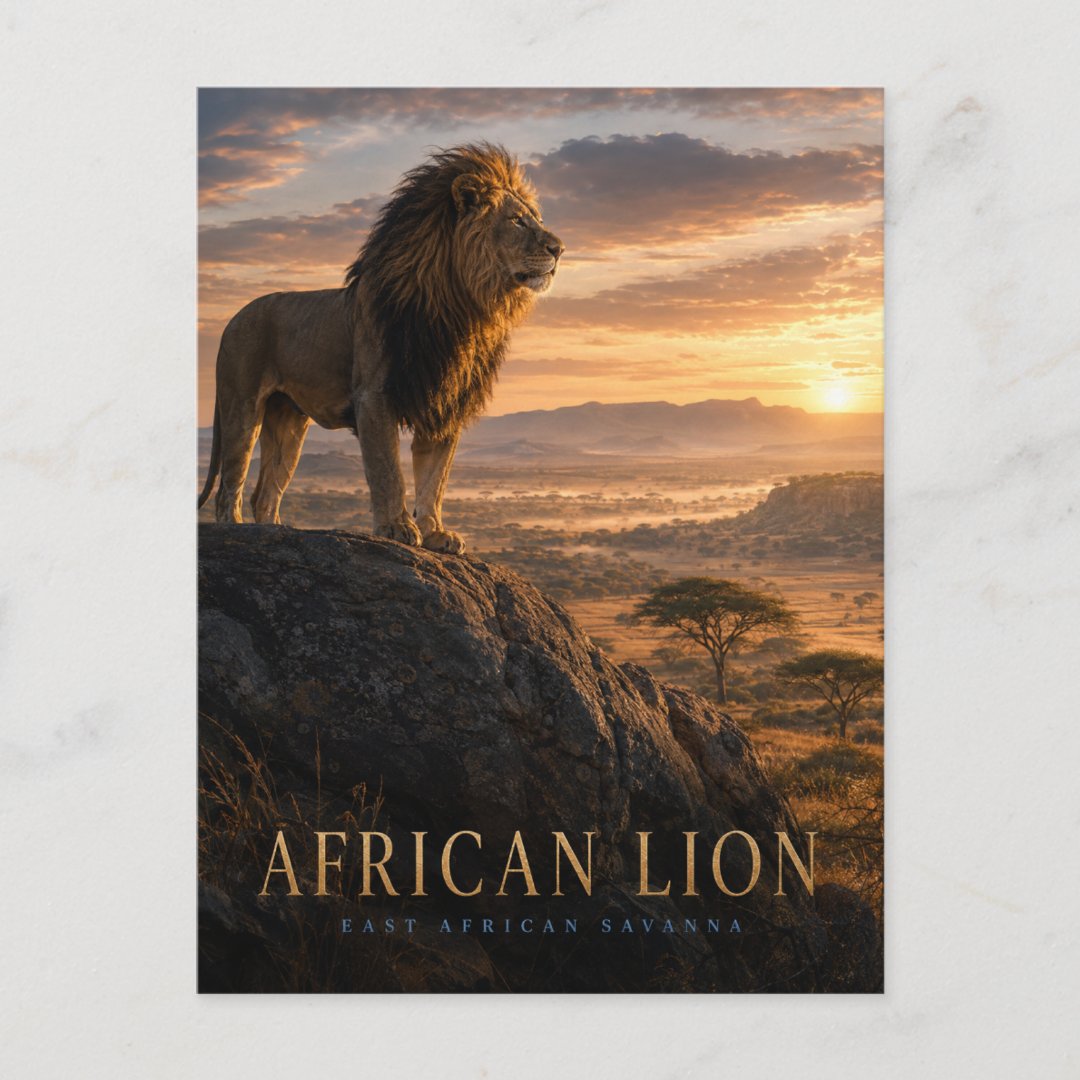
On Sunday, September 7, 2026, Nandankanan Zoological Park in Bhubaneswar welcomed two Asiatic lion cubs born to lioness Maya and lion Shibam, lifting the zoo’s Asiatic lion count to 24 animals from a Pure Asiatic lineage tied to Rewa. That is the wire: a breeding success for India’s last wild lion lineage, held in a zoo that has become a regional stronghold for Asiatic lions of the Gir type. This post is what that headline sits on for a reader who mostly sees “lions” as one African savanna logo: how African lions actually live, hunt, and hold a pride, and why Asiatic and African lions are the same big-cat family with different jobs, ranges, and body notes. The African Lion Savanna ANIMALS Postcard is one wildlife frame from that story, not a cub birth announcement.
The African lion is not every lion on the planet
The African lion is the open-country pride cat most people mean when they say “lion”: males with full manes in many populations, females as the core hunting engine, related lionesses and the male coalitions that hold them for a season. Scientific naming puts lions under Panthera leo. The Asiatic lion of Gir and of programs like Nandankanan’s is usually treated as Panthera leo persica (sometimes folded into broader African taxonomy in newer papers). Same genus and species complex; different geography and conservation story.
People mash “lion” into one zoo silhouette. That is how a Nandankanan cub headline and a Serengeti pride photo get treated as interchangeable stickers. They are not. Asiatic lions are India’s remnant wild population, centered on Gujarat’s Gir and managed captive lines. African lions still hold a wider, though shrinking, map across sub-Saharan savanna and woodland. Maya and Shibam’s Rewa-lineage cubs are India’s recovery toolkit. This postcard teaches the African open-country job most lion imagery still borrows from.
Asiatic versus African: same family, different job notes
This is the sea-otter-versus-river-otter lesson for big cats. Shared toolkit: roar, ambush-and-chase hunting, heavy forequarters, a social life unusual among big cats. Different stamps on body and landscape.
Mane and belly fold. Many Asiatic males show a shorter mane and a longitudinal belly fold African lions usually lack. Mane also varies with climate and age in Africa, so mane alone is a weak viral field mark; the belly fold is a classic Asiatic note in good photos and zoo IDs.
Pride size and density. Gir Asiatics often live in smaller groups than the East African mega-pride postcard. Related females still form the core; males still take and lose tenure. The dozen-lioness stereotype is real where prey is dense. It is not the only lion geometry on Earth.
Place. Asiatic: Gir dry forest and scrub, plus captive strongholds such as Nandankanan. African: grasslands, acacia woodland, floodplains, and cattle-edge mosaics. A “lion cub born in Odisha” headline is Asiatic news. An African savanna postcard is the other half of the family album.
Conservation status. Asiatics are a narrow wild base with intense management and zoo insurance. African lions are more numerous overall and still declining in many ranges under habitat loss, conflict, and prey depletion. Same family. Different crisis shape.
Savanna and woodland are job sites, not backdrops
An African lion’s workplace is cover plus prey plus water on a scale a pride can hold. Tall grass for a stalk. Termite mounds and brush for a wait. A waterhole that concentrates zebra, wildebeest, and buffalo. Night and the cooler edges of day are the commute; midday heat is often rest in shade.
The postcard pairing of a lion in open savanna light is that map: body built for power where sound and scent travel, not for a tiger’s vertical-stem ambush. Golden grass is stalk height, resting bed, and the stage where a roar carries. Livestock on a reserve fringe can turn the same toolkit into conflict news. That fringe story is African. Nandankanan’s cubs are a different civic clock: breeding success inside a managed Asiatic program.
Teeth, teamwork, and why rest is the budget
Lions are hypercarnivores. The method mixes stalk, short rush, and cooperative takedown more often than a tiger’s solitary ambush. Lionesses usually drive the hunt; males join on large dangerous prey and defend the tenure that keeps cubs alive. A failed hunt is expensive. Rest is the budget. A pride under an acacia at noon is between hunts, which is most of the hours.
They kill with weight and a bite, often to the throat or muzzle. Scavenging is part of the economy. Cub survival depends on tenure: when new males take a pride, infanticide can reset the reproductive clock. Zoo announcements like Nandankanan’s sit in a managed calendar. Wild African cubs live under coalition politics.
How to tell an African lion from an Asiatic lion, a tiger, and a leopard
The mane is the usual field mark and the usual trap if you never see the body or the place name.
Coat and pattern. A lion is unspotted as an adult (cubs have spots that fade). A tiger is striped. A leopard’s spots are rosettes. If the silhouette is only shade, wait for a better look before you invent a species for a viral clip.
Head and social map. A lion looks taller-headed in the open and is the big cat most likely to be seen in a group. A tiger looks long and low and mostly solitary. A leopard looks compact and climbs more readily.
Asiatic clues. Shorter mane on many males, belly fold, Gir or Indian zoo context, smaller typical group size. African clues: full mane in many males of open populations, East or southern African place names, classic pride photos on plains.
News hygiene. Nandankanan, Rewa lineage, Asiatic count rising to 24: that is Asiatic-lion conservation. Serengeti, Maasai Mara, Kruger, and an African savanna postcard: that is the African open-country job. Same roar family. Different caption.
The roar and the cub photo versus most of the day
The viral lion image is a roar, a charge, or a cub in grass. That is real, and it is a sliver. Lions rest something like 16 to 20 hours a day. A roar carries across open country as location and warning, not personality.
Cubs stay with the mother well over a year. A male’s tenure is temporary. There is no permanent “king” except in children’s books. Zoo news sells the birth count. Most of a wild African lion’s life is the quiet between hunts; most conservation is prey, conflict, and habitat, not one cub photo.
Territory, coalitions, and why the plain is a property line
A pride holds a range with roars, scent, and fights. Territory is prey, water, cover, and other lions. The savanna in the postcard is a property line with grass on it.
Male coalitions take and lose that property. Females inherit dens, water, and hunting lines. Two new Asiatic cubs at a zoo are insurance for a subspecies with a tiny wild map. When an African pride loses tenure, cubs can die. The body and social system are built for open-country competition, not a permanent fairytale throne.
Why that body exists
A tiger voted for ambush power in cover. A leopard voted for climbing and a wider menu. An African lion voted for cooperative power in open country: heavy forequarters, a roar that owns distance, a social map that can bring down buffalo and hold a waterhole. The mane, where full, is display and fight protection as much as logo. Asiatic lions voted for a drier Indian forest-scrub job with the same toolkit and a narrower modern range. That is why a Nandankanan cub and a Serengeti male are family, and why one sticker erases the lesson.
Why the ANIMALS postcard looks the way it does
The African Lion Savanna ANIMALS Postcard is built from African open-country natural history, not a generic “big cat sunset” and not the Odisha nursery. The lion sits in golden savanna light because that is the African job: body in grass and heat shimmer, a face built for distance and roar, plains and woodland edge. A slightly low cinematic view is scale, not drama for its own sake.
The type on the card says AFRICAN LION and SAVANNA because that is the species and the job site. Wildlife first. Place as the medium it lives in. That is the ANIMALS line: a cinematic still meant to be kept, not a stack of SKUs. Keep the Nandankanan Asiatic cub news in the caption. Keep the savanna frame honest about which lion job it shows.
Wild Realms makes cinematic wildlife art from the living world. See nature. Feel connection. Cherish forever.
The postcard: African Lion Savanna ANIMALS Postcard
More lion wildlife: Lion collection


Comments
Post a Comment